
Important information
This content is provided for informational purposes and does not constitute medical advice. Consult a qualified healthcare professional for any decisions regarding your health.
Dorothy sat across from me in tears. Seventy-two years old, retired nurse, and absolutely fed up. Three antibiotic courses in eight months. Each one worked a bit less than the last. Her GP was running out of options, and she was running out of patience with what she called “the endless cycle.”
I see this pattern constantly in my nutrition practice. Seniors who have tried everything. Generic probiotics from the supermarket that promised the world. Cranberry supplements. Drinking more water until they felt like a fish. Nothing stuck.
The problem is rarely willpower. The problem is specificity. Most people do not realise that urinary health requires particular bacterial strains—not just any probiotic will do. And for seniors, the stakes are higher because the body’s defences shift with age.
Senior urinary support in 30 seconds
- Over 52% of UTI hospital admissions are patients aged 70+
- Targeted lactobacillus strains differ from digestive probiotics
- Six specific strains in Ergyphilus Intima address urinary and vaginal flora
- Realistic timeline: 6-8 weeks for noticeable comfort improvements
- Prevention protocol: 2 capsules daily for one month
How ageing changes your urinary microbiome
52.7%
of UTI hospital admissions are patients over 70
That figure is not a scare tactic. According to UKHSA data on NHS UTI costs, treating urinary tract infections cost NHS hospitals £604 million in 2023-2024. Nearly 200,000 patients were admitted—and the majority were seniors.
Why does age make such a difference? The answer lies in what researchers call the urinary microbiome. Yes, your bladder has its own bacterial ecosystem. For decades, scientists believed urine was sterile. They were wrong.

In my consultations with seniors across South East England—roughly forty annually since 2021—I encounter one recurring pattern. Clients arrive having tried generic probiotics without success. The most common issue? Not understanding that urinary-specific lactobacillus strains differ entirely from the digestive probiotics in their morning yoghurt.
According to clinical guidance on UTIs in elderly from the Royal College of Physicians, asymptomatic bacteriuria affects 17-20% of women over 75. The protective flora diminishes. Oestrogen decline after menopause shifts vaginal pH. The gut-bladder connection—more on this shortly—becomes increasingly important.
Research published in the evidence for gut-bladder axis connection confirms that intestinal bacteria directly influence urological health. The gut microbiome regulates urinary disease progression through what scientists now call the gut-bladder axis. This observation is limited to emerging research, but the implications for senior supplementation are significant.
Frankly, this is why I stopped recommending generic probiotics years ago. The strains matter. The delivery mechanism matters. And for seniors, the formulation needs to account for age-related microbiome changes.
The six strains in Ergyphilus Intima and what each does
Think of your urinary tract like a garden. You cannot just scatter any seeds and expect roses. You need specific varieties suited to the soil conditions. The same principle applies to probiotic strain selection.
NUTERGIA‘s formulation contains six bacterial strains, each with documented functions. Rather than listing them alphabetically—which tells you nothing useful—the comparison below groups them by target system.
| Strain | Primary target | Key function | Evidence level |
|---|---|---|---|
| L. crispatus | Urinary + Vaginal | Reduces uropathogenic E. coli load | Strong (clinical trials) |
| L. rhamnosus GG | Gut + Transit | Survives gastric acidity; gut-bladder axis | Strong (most studied strain) |
| L. acidophilus | Vaginal | pH regulation; pathogen inhibition | Moderate |
| L. gasseri | Vaginal | Supports intimate flora balance | Moderate |
| L. fermentum | Gut + Immune | Antioxidant properties; immune support | Moderate |
| B. bifidum | Gut | Supports gut-urinary axis communication | Moderate |
The star of this formulation is Lactobacillus crispatus. Research from the Proceedings of the National Academy of Sciences found that women experiencing recurrent UTIs have markedly reduced bladder Lactobacilli populations. When researchers exposed infected bladder cells to L. crispatus, the intracellular E. coli load dropped significantly—as documented in PNAS research on L. crispatus mechanism.
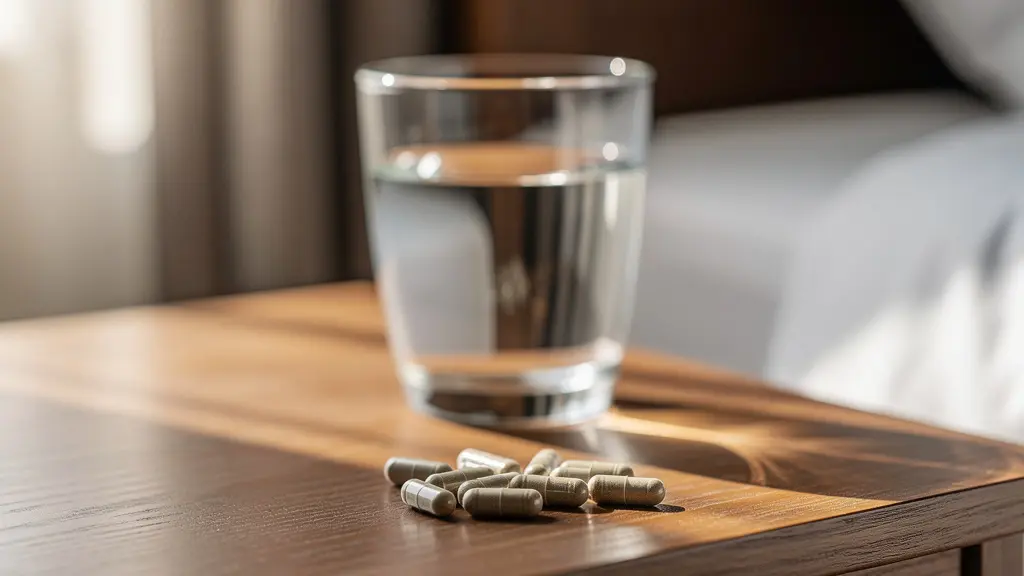
Each capsule delivers 8 billion CFU (colony-forming units). The formulation also includes vitamin B2 (riboflavin), which the EFSA assessment on riboflavin health claims confirms supports normal mucous membrane maintenance—relevant for both urinary and vaginal tissue health.
Working with senior clients, I consistently find that understanding these distinctions transforms compliance. When Dorothy—my tearful retired nurse—grasped why her supermarket probiotic was essentially useless for urinary support, her entire approach changed. She was not failing. She was using the wrong tool.
The formulation is also free from gluten, soy, and titanium dioxide. For seniors managing multiple dietary restrictions alongside various medications, these exclusions matter practically. For those interested in exploring targeted supplementation, the probiotic for urinary comfort is available in 60-capsule formats.
Getting the most from your probiotic: practical guidance
I will be direct: probiotics are not magic pills. I have seen clients abandon perfectly good supplements after two weeks because they expected instant transformation. That expectation is understandable—we live in a culture of quick fixes—but biology does not work that way.
My recommendation for first-time users: Start with the prevention protocol (2 capsules daily for one month) rather than jumping to acute dosing. Your microbiome needs time to accept new residents. Rushing the process often backfires.
Based on the seniors I have accompanied, here is what realistic progress looks like:
-
Week 1-2
Adaptation period. No noticeable changes. This is normal. -
Week 3-4
Some clients report subtle improvements in daily comfort. -
Week 6-8
More consistent feedback on reduced frequency of discomfort episodes. -
Month 3+
Maintenance phase where benefits typically stabilise.
This observation is limited to my practice in South East England and may vary based on individual health profiles and concurrent medications. I am not promising you will follow this exact trajectory.
The most frequent mistake I encounter? Taking probiotics alongside hot beverages. Heat destroys live bacteria. Take your capsules with room-temperature water, ideally on an empty stomach in the morning. Consistency beats perfection—same time daily matters more than ideal conditions occasionally.
For those already taking antibiotics, here is what I tell clients: some probiotics may be taken during antibiotic treatment, but consult your GP or pharmacist for guidance specific to your situation. The strains in this formulation are designed for compatibility, but individual medication interactions exist. This is not something to guess at.
Regarding essential nutrients for the elderly, probiotics work best alongside adequate hydration and a diet supporting microbiome diversity. The supplement supports your body’s natural processes—it does not replace them.
Your questions about probiotics and senior urinary health
Are probiotics safe for elderly people with multiple medications?
Research in the World Journal of Gastroenterology confirms that double-blind studies in elderly populations show probiotic use is safe and could support reduced frequency of antibiotic-associated issues. However, always inform your GP or pharmacist about any supplements you are taking, particularly if you are on immunosuppressants or have a compromised immune system.
How long until I notice a difference?
Soyons clairs: expect 6-8 weeks before drawing conclusions. The bacterial colonisation process cannot be rushed. If you experience no improvement after two full months of consistent use, discuss alternatives with your healthcare provider. Abandoning after two weeks tells you nothing useful.
What if my symptoms persist despite supplementation?
Persistent or severe urinary symptoms require professional medical evaluation. Probiotics support preventive maintenance—they do not replace medical treatment for active infections. If you experience fever, blood in urine, or severe pain, contact your GP or NHS 111 immediately. These are not supplement situations.
Can men use urinary probiotics?
The six-strain formulation primarily targets vaginal and urinary flora in women—where most clinical evidence exists. Men experiencing urinary discomfort should consult a urologist, as the underlying causes often differ (prostate-related issues being more common). Generic gut probiotics may be more appropriate for male digestive support.
Should I take acute or prevention dosing?
Prevention protocol (2 capsules daily for one month) suits most first-time users and those seeking ongoing support. Acute dosing (2-4 capsules daily for one week) is designed for periods of increased vulnerability—post-antibiotic courses, for instance. When in doubt, start with prevention dosing. You can always adjust.
The next step for your urinary comfort
Your action plan this week
-
Review your current probiotic (if any) for strain specificity—does it contain urinary-targeted lactobacilli?
-
Speak with your GP or pharmacist about supplement compatibility with your medications
-
Commit to an 8-week trial period before evaluating results—mark it in your calendar
-
Consider improving your senior diet alongside supplementation for comprehensive support
Dorothy, my retired nurse, called me four months after starting targeted probiotic support. Not in tears this time. She had just booked a walking holiday in the Lake District—something she had avoided for two years because of constant worry about “being caught out.” Her words, not mine.
I cannot promise you the same outcome. What I can tell you is that understanding strain specificity, committing to realistic timelines, and working alongside—not against—your body’s natural processes gives you the best foundation for lasting comfort.
Important considerations for supplement use
- This information does not replace personalised medical advice tailored to your health history
- Individual responses to probiotics vary based on existing microbiome composition and health status
- Persistent or severe urinary symptoms require professional medical evaluation
Consult your GP, urologist, or pharmacist before beginning any new supplement protocol.